
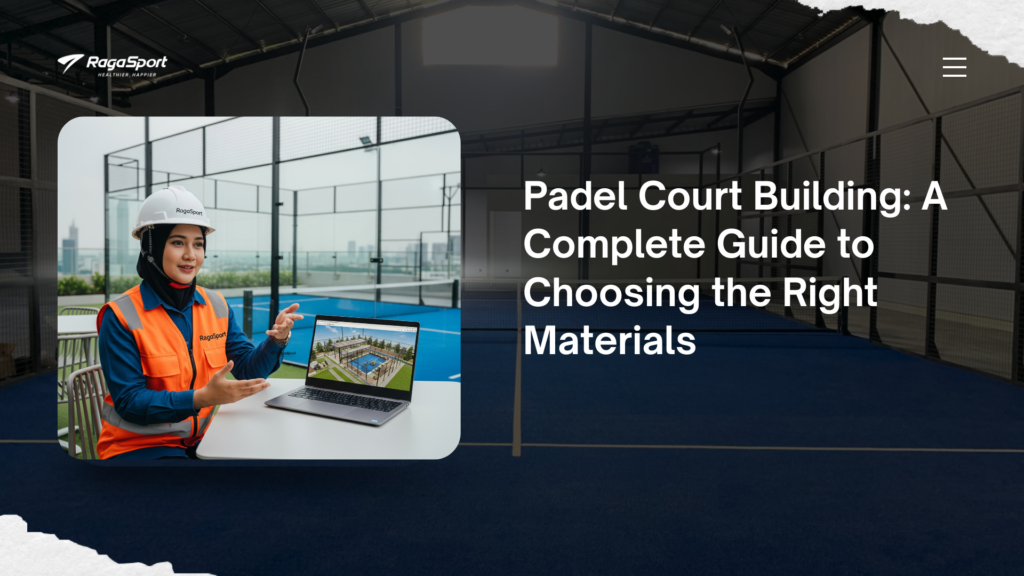
Building a padel court requires more than just the right dimensions and location, it hinges on choosing the right materials. The materials you select will directly affect the performance, safety, and maintenance of padel court building.
This guide will cover the essential materials involved in padel court construction, including flooring, fencing, lighting, and drainage systems, helping you make informed decisions for your project.
Table of Contents
Choosing the Right Fencing for Your Padel Court Building
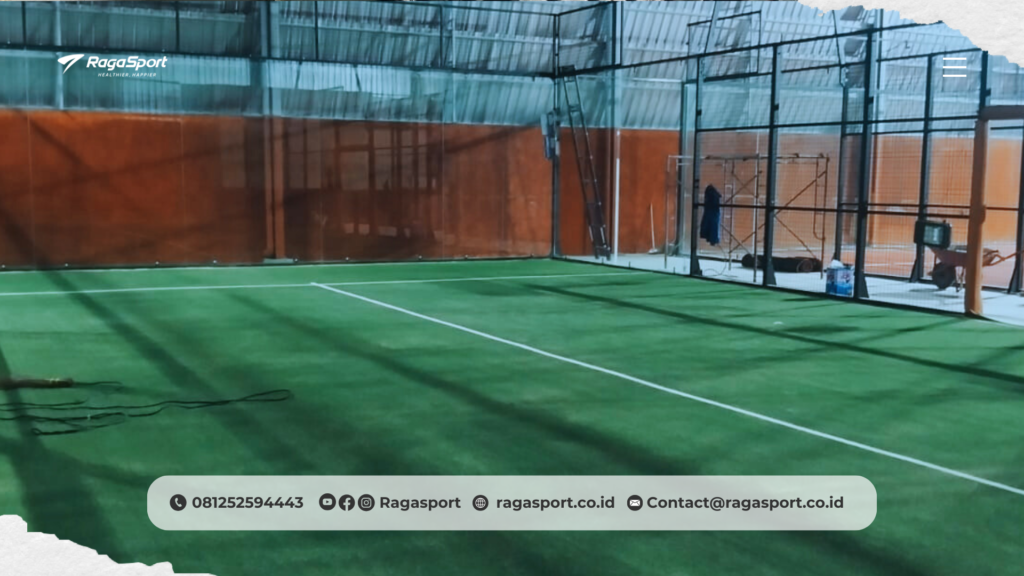
Fencing is essential not only for safety but also for aesthetic appeal. The most common materials for padel court fences are glass and metal. Here’s what you need to know:
1. Glass Fencing Make a Level Up Your Business
Glass fencing is the most popular choice for high-end, professional-grade padel court building. Key benefits why glass fencing is best choice because:
- Aesthetics: Provides a sleek, modern look.
- Visibility: Offers clear visibility for spectators and provides an open feel to the court.
- Durable: High-quality tempered glass can withstand strong impacts without breaking.
But, the benefit comes with every weakness, and the contra from:
- Cost: Glass fencing is more expensive compared to other materials.
- Maintenance: Needs regular cleaning to maintain its clear appearance.
2. Metal Fencing Make a Strong Construction
Metal fencing (usually mesh or steel) is often used for more budget-friendly options. And sport contractor professionals recommend this material because:
- Affordable: Less expensive than glass fencing.
- Durability: Very durable and resistant to impact and harsh weather conditions.
But this material has several weaknesses in padel court building, such as
- Aesthetics: Not as visually appealing as glass fencing.
- Less Transparency: Reduces visibility from outside the court, which might detract from spectator experience.
3. Artificial Grass vs. Synthetic Turf
Artificial Grass (also called synthetic grass) is the most popular option for outdoor padel courts. It offers a natural look while providing good traction and a comfortable playing experience.
- Durable: Can withstand heavy use and various weather conditions.
- Comfortable: Provides cushioning, reducing the risk of injuries.
- Low Maintenance: Requires minimal upkeep compared to natural grass.
But every benefit comes with several weaknesses, and synthetic turf has a contrast to your padel court building. Such as:
- Cost: Can be more expensive upfront than some other materials.
- Heat Absorption: Tends to retain heat in warm climates, which can affect gameplay.
4. Lighting Systems for Padel Court Building
A proper lighting system is crucial for both outdoor and indoor courts to ensure the best playing conditions. Here’s what to consider when selecting lighting: LED lights are the most common and efficient choice for padel court project lighting because:
- Energy Efficiency: LED lights consume less power, reducing energy costs.
- Durability: Long-lasting, which reduces maintenance costs over time.
- Uniform Lighting: LED lights provide consistent lighting that minimizes shadows, improving visibility on the court.
The upfront cost of installing LED lights may be higher than halogen bulbs.
5. Drainage Preventing Water Damage in Your Padel Court Building
Drainage is essential to ensure that your padel court remains playable and well-maintained over time, especially in areas with heavy rainfall. There are two types of drainage systems you should consider:
a. Subsurface Drainage
Subsurface drainage is often installed under the court to help manage excess water. It’s effective at keeping water from pooling on the surface. This type is recommended because it can reduce the risk of water damage to the court and ensures that water drains quickly, even during heavy rains.
b. Surface Drainage
Surface drainage channels are built into the edges of the court to direct water away from the playing surface. This type is more affordable and less invasive to install than subsurface drainage/ Works well in smaller courts or areas with mild rainfall, so effective for the small project!
How to Choose Best Materials for Your Padel Court Building
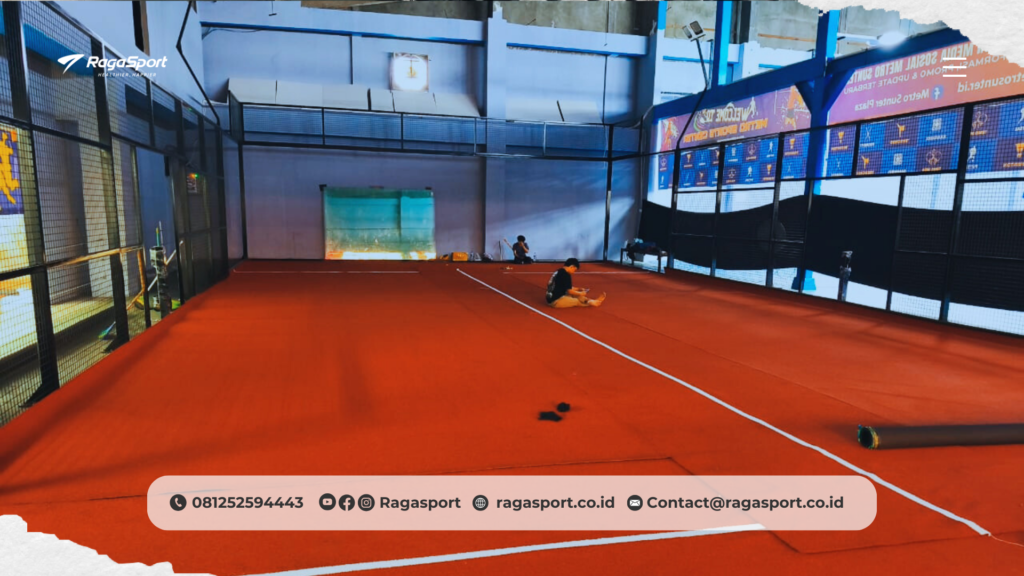
Selecting materials for your padel court will ultimately come down to balancing quality, cost, and maintenance. Consider the following:
- Assess the local climate to choose materials that will withstand weather conditions.
- Estimate the long-term costs of maintenance when making your decision.
- Evaluate the potential ROI (return on investment) when planning your court’s construction to ensure a solid financial outcome.
Ready Investing in the Right Materials for Padel Court Building
Choosing the right materials for your padel court is a crucial step in ensuring that the facility remains safe, durable, and financially viable in the long run. By understanding the different options for flooring, fencing, lighting, and drainage, you can make an informed decision that maximizes the quality of your court while minimizing future maintenance costs.
Remember, investing in high-quality materials now will pay off in the long run by improving the court’s performance, increasing its lifespan, and providing a better experience for players.Ready to start building your padel court projects? Contact RagaSport today for expert guidance on selecting the best materials for your project and ensuring long-term success. Let us help you create a top-quality padel court that will last for years to come!